
Installing a home charging station allows you to fast charge your EV on your doorstep, but can you DIY install an EV charger by yourself or should you leave it to the professional EV charger installation companies?
Let’s consider the idea of a DIY EV charger installation, we will explore the considerations, challenges, and potential risks involved in DIY EV charger installations. While some homeowners might possess the necessary skills and knowledge, it’s crucial to understand the complexities involved and the potential implications of an improper installation.
Let’s dive in and uncover the key factors you should consider before attempting to install your own electric car charger.

- Our Best EV Charger Installer 2026
- Great value EV charger from just £999 installed
- 5-year warranty covering both product and installation
- Rated excellent on Trustpilot with more 5-star reviews than any other home charge supplier

Can You Install an EV Charger Yourself?
Technically, yes, but it’s not recommended unless you’re a qualified electrician.
Key Reasons Not to DIY Your EV Charger Installation
- Health & Safety Risks – Electrical shock, fire hazards, and incorrect wiring pose serious dangers.
- Warranty Issues – Most manufacturers require professional installation to maintain warranty coverage.
- Regulations & Legal Compliance – DIY installations must be inspected and signed off by Building Control.
- OZEV Grant Eligibility – You cannot claim a government grant unless the charger is installed by an OZEV-approved electrician.
💡Unless you are an experienced electrician, DIY installation is risky and could cost you more in the long run.
Heath and safety risks
Installing an EV charger yourself can pose several health and safety risks if not done properly. Some potential risks include electrical shock due to mishandling of electrical components, improper wiring leading to fire hazards, inadequate grounding causing electrical malfunctions, and potential damage to the charger or your vehicle.
In addition, a DIY installation may not meet local building regulations, which can have serious consequences. To mitigate these risks, it’s strongly advised to consult a qualified EV charger installer for a safe and compliant installation.
According to the EV fire safety recommendations published by the Fire Protection Association, the key health and safety considerations to bear in mind when installing an EV charger are:
- Try to avoid locating a charging unit under canopies or any kind of enclosed roof
- Do not locate a charging unit within 15 meters of a hazardous installation, including flammable liquid storage or a home fuel tank
- Ensure that the circuit is only for the EV charger and not to be used for another purpose
- Do not locate a charging unit within 10 meters of flammable material
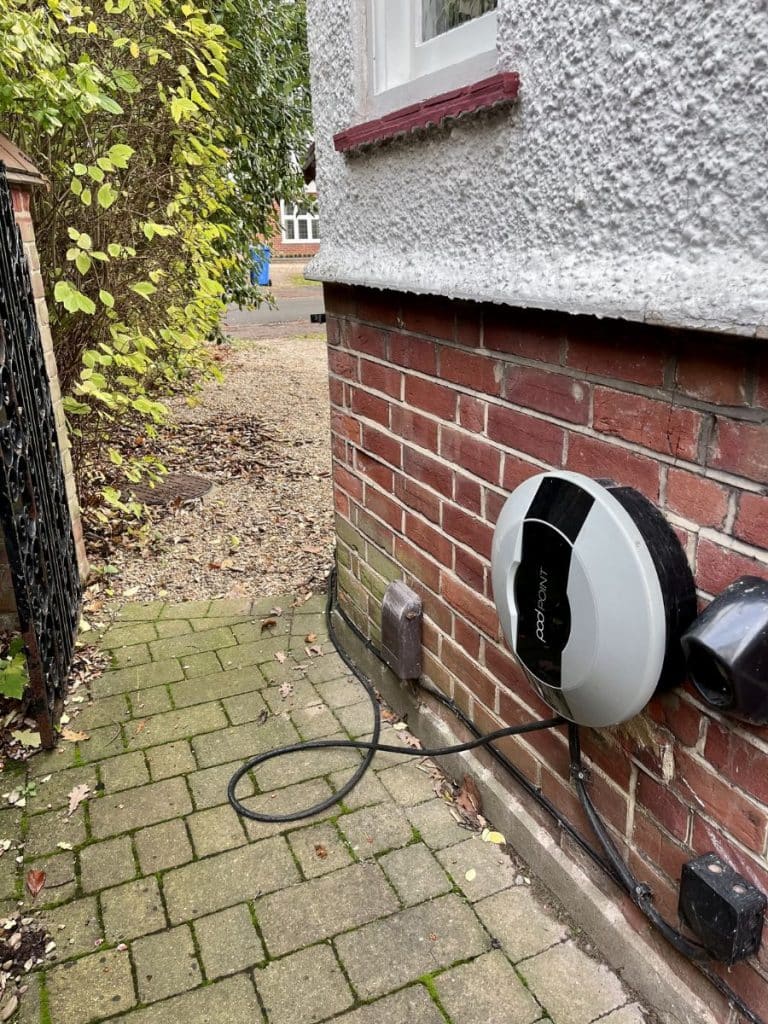
If someone hasn’t had direct experience with Fire safety guidelines they may not fully understand the potential risks and necessary precautions. The risk of fire is greater with old electrical wiring and dated consumer units, all equipment should be examined by a trained EV charger installer before completing the work in case electrical supply upgrades are required.
Regulatory and Professional Requirements
In the UK, if you install an EV charger yourself, it is generally required to have the installation inspected and signed off by Building Control. Building Control ensures that the installation meets the necessary safety standards and regulations. It is essential to comply with the Building Regulations Part P, which specifically covers electrical installations in dwellings. By having Building Control sign off on the installation, you can have peace of mind knowing that it meets the required safety standards and is legally compliant. It is recommended to check with your local Building Control authority for specific requirements and procedures in your area.
A qualified electrician who is registered with a competent person scheme, such as NICEIC or NAPIT, can self-certify their electrical work, including the installation of an EV charger. This means that they can issue a Building Regulations Compliance Certificate themselves, and there is no need to directly notify Building Control.
Get a Qualified Electrician
You need to find a qualified electrician who has completed specialist EV charger installation training to install your charging unit. Installing an EV charger involves working with high-voltage electrical systems and requires a thorough understanding of electrical wiring, load calculations, and safety regulations. A qualified electrician will have the necessary expertise to ensure a safe and proper installation, including proper wiring and grounding.
To take an EV charger installation course an installer will have already qualified as an electrician and will have joined a competent person register, allowing them to self-certify electrical work without the need to notify building control. Electricians are not able to join a competent persons register without 2 years of practical experience.
The current EV charger-specific courses that installers should take are provided by City & Guilds, they are:
2921-31 Design and installation of domestic and small commercial electric vehicle charging installations.
2921-32 Design and Quality Assurance of large-scale electric vehicle charging installations.
2921-33 Installation and maintenance of large-scale electric vehicle charging installations.
The route to becoming a qualified EV charger installer is robust and well-designed to protect customers from the risks of unqualified tradespeople. Once an electrician has taken the relevant specialist qualifications they can apply for jobs with EV charging companies.
Warranty, Insurance, and Grants
If you decide to install your EV charger yourself you will void any manufacturer’s warranty that is in place.
We checked the leading manufacturers’ warranty documents, and they all state that professional installation by a qualified electrician is required to maintain warranty coverage.
Here’s a selection of manufacturer warranties for you to review:
Zappi Warranty
Ohme Warranty
Wallbox Warranty
It is crucial to follow the manufacturer’s guidelines and get a professional installation to ensure both the safe operation of the charger and the preservation of the warranty.

The cost of installing an EV charging unit is high, and therefore not a purchase that you can afford to get wrong. A specialist installer will discuss your requirements with you, they will be able to make sure you are purchasing the correct charger for your EV and your needs.
It’s not just the charger that needs assessment, the electricity consumer unit may need to be upgraded to facilitate the new charger and a qualified professional electrician can identify this.
The Office for Zero Emission Vehicles (OZEV) EV Chargepoint Grant requires professional installation by an OZEV-approved installer to be eligible for the grant. Therefore, if you install the EV charger yourself, you will not be able to access the OZEV grant.
The OZEV grant provides EV owners with an EVHS £350 grant to cover a portion of the cost of installing a new home EV charger. The scheme was updated in March 2022 and is no longer applicable to UK homeowners, however, the grant is still available to flat owners & renters or landlords.
To claim the grant you will need to use an EVHS installer to complete the installation. They will apply for the grant for you and discount the cost of the grant from your final bill, if you installed your charge point then you are unable to claim the grant.
When it comes to insurance, UK companies will require professional installation by a licensed electrician as a condition for coverage. Review your insurance policy or speak to your insurance provider to understand any specific requirements or considerations related to the DIY installation of an EV charger. They can provide you with accurate information based on your policy and help you understand any implications on your coverage.
How to Choose a Qualified EV Charger Installer
If you are looking for an installer, make sure they meet the following criteria:
- Certified by a Competent Person Scheme – Check for NAPIT, NICEIC, or Stroma accreditation.
- OZEV-Approved – If claiming a grant, the installer must be listed on the OZEV website.
- Experience With EV Charger Brands – Some installers specialise in specific brands.
- Comprehensive Quote – Avoid hidden costs by getting a full cost breakdown.
- Warranty & Support – Choose an installer that offers aftercare and troubleshooting support.
Hiring a reputable installer ensures you get a safe, long-lasting, and compliant installation.

John is the Editor and Spokesperson for Electric Car Guide.
With over 20 years of writing experience, he has written for titles such as City AM, FE News and NerdWallet.com, covering various automotive and personal finance topics.
John’s market commentary has been covered by the likes of The Express, The Independent, Yahoo Finance and The Evening Standard.


